
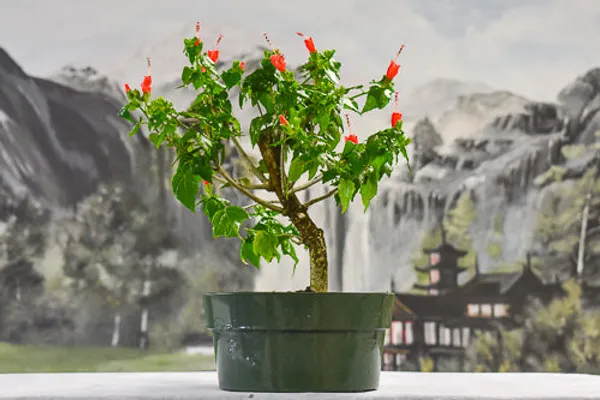
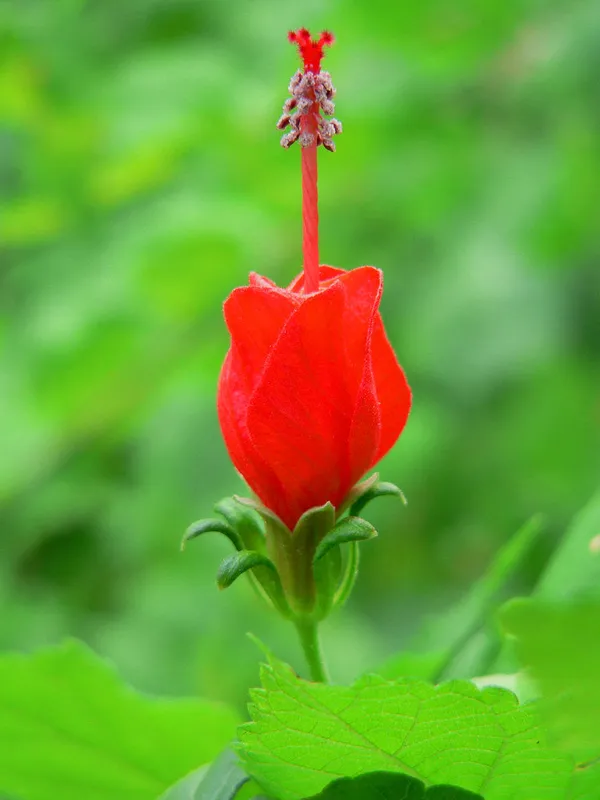
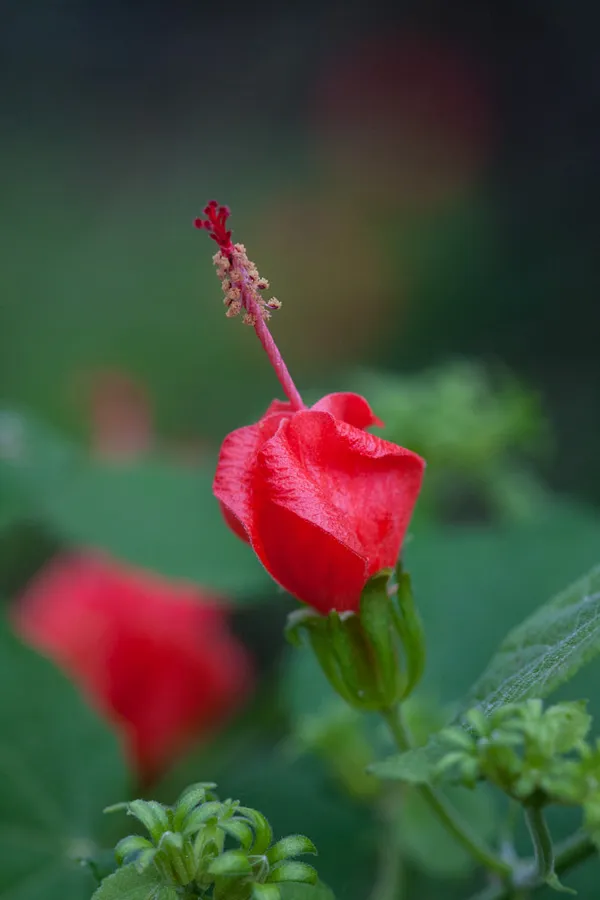
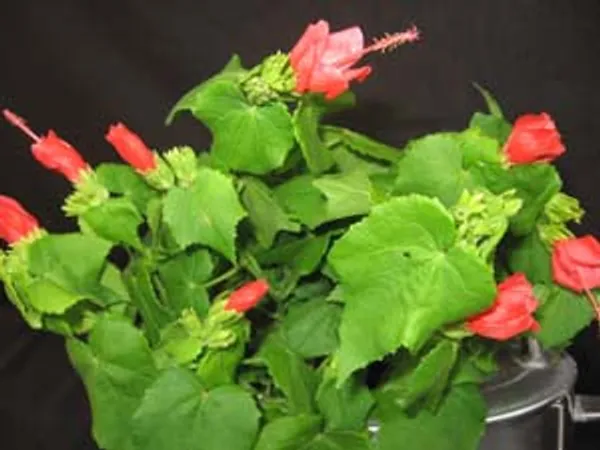

Mini Sleeping Hibiscuss Malvaviscus Compacta Bonsai Sappling Live Plant Def..More
₹749
₹1,499
50% OffFinal Price inclusive of all taxes
Cash on Delivery
Free Delivery
Get it delivered in 3-6 days
size
FREE SIZE
Product Description
SCIENTIFIC NAME: Malvaviscus Arboreus ‘compactus’ COMMON NAME: Sleeping Hibiscus UNIQUE CHARACTERISTICS: SLEEPING HIBISUCS produces lovely red flowers that attract hummingbirds! Very unique white bark, and maple-looking foliage. Hibiscus like full sun and moderate water and fertilizer. Tropical tree, keep away from freezing temperatures.
Water the plant when the soil feels dry. Don't over water the hibiscus plant, as you may flood the roots. The hibiscus roots should be moist, not wet.
Fertilize the hibiscus every two to three weeks with a low-nitrogen fertilizer. Steady feeding will keep your hibiscus healthy.
Prune the hibiscus plant to maintain its shape. Cut the branch back just above its "eye" or side shoot to encourage multiple growths. Pinching off the tips of branches will also encourage multiple growths.
Protect your hibiscus from cold weather. Hibiscus plants are very sensitive to the cold. If they're inside, keep them in a warm place. If they're outdoor plants, and the temperature drops below 40 degrees Fahrenheit (5 degrees Celsius), make sure to cover them well to insulate them from the cold. Leaving them uncovered may cause a delay in the spring blossoming.
Protect your hibiscus from insects and bugs, using insecticide when necessary.
Water the plant when the soil feels dry. Don't over water the hibiscus plant, as you may flood the roots. The hibiscus roots should be moist, not wet.
Fertilize the hibiscus every two to three weeks with a low-nitrogen fertilizer. Steady feeding will keep your hibiscus healthy.
Prune the hibiscus plant to maintain its shape. Cut the branch back just above its "eye" or side shoot to encourage multiple growths. Pinching off the tips of branches will also encourage multiple growths.
Protect your hibiscus from cold weather. Hibiscus plants are very sensitive to the cold. If they're inside, keep them in a warm place. If they're outdoor plants, and the temperature drops below 40 degrees Fahrenheit (5 degrees Celsius), make sure to cover them well to insulate them from the cold. Leaving them uncovered may cause a delay in the spring blossoming.
Protect your hibiscus from insects and bugs, using insecticide when necessary.